
Allergy Season Cleaning Tips for a Healthier Home
Allergy season has a way of sneaking indoors. Pollen rides in on shoes, pet fur, jackets, open windows, and even grocery bags. Once it lands on floors, bedding, curtains, and shelves, it can keep irritating your nose and eyes long after you shut the door.
The good news is that a cleaner home can help cut down on common indoor triggers. You do not need to scrub every inch of the house every day. A smart routine, the right tools, and a few small habits can make your space feel fresher and calmer.
This guide is for general home care and is not medical advice. If allergies are severe or getting worse, check with a healthcare professional.
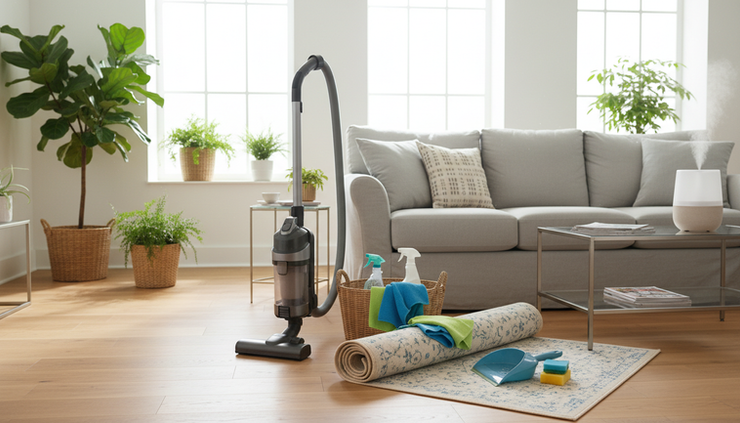
Start with the surfaces that collect the most allergens
Dust does not just sit on shelves. It gathers on ceiling fans, blinds, lampshades, baseboards, picture frames, electronics, and the tops of door frames. During allergy season, these surfaces can hold pollen, dust mites, and pet dander.
The trick is to clean from top to bottom. If you vacuum before dusting, falling dust will undo part of your work.
A simple order works well:
Dust ceiling fans and high shelves
Wipe window sills and blinds
Clean tables, counters, and furniture
Vacuum rugs, carpets, and upholstery
Mop hard floors
Use a damp microfiber cloth instead of a dry duster when possible. Dry dusting can send particles back into the air. A lightly damp cloth traps more of what you are trying to remove.
For tight areas, wrap a microfiber cloth around tongs to clean blinds. Use a clean paintbrush to loosen dust around vents, lamp details, and window tracks, then vacuum it up.
Home cleaning during allergy season works best when it is steady, not frantic. A quick wipe every few days often beats one exhausting deep clean after allergens have built up.
Vacuum and mop with allergies in mind
Floors act like a landing pad for everything that comes inside. If shoes are worn indoors, pollen and outdoor dust can spread quickly from the entryway to bedrooms and living areas.
Vacuum high-traffic spaces at least a few times a week during peak allergy season. If your vacuum has a HEPA filter, use it. HEPA filters are designed to capture very small particles, which can help reduce what gets pushed back into the room.
Pay extra attention to:
Entryways
Hallways
Around beds
Under sofas
Pet resting spots
Edges of carpets and rugs
Move slowly with the vacuum. Fast passes look efficient, but they often miss embedded dust and hair. On carpets, make overlapping passes in different directions.
For hard floors, mop after vacuuming. A microfiber mop with plain water or a gentle floor cleaner is often enough. Avoid heavily scented products if fragrances bother you during allergy season.

Give bedrooms extra care
Bedrooms deserve special attention because bedding, pillows, rugs, and curtains can hold allergens close to where you sleep. A few changes here can make the whole home feel cleaner.
Wash sheets and pillowcases weekly in warm or hot water if the fabric care label allows it. Dry bedding fully before putting it back on the bed. Damp fabric can create new problems, especially in humid conditions.
For better results, also clean the items that are easy to forget:
Mattress covers
Duvet covers
Throw blankets
Decorative pillows
Bed skirts
Curtains near open windows
If you have washable curtains, launder them during peak pollen season. If not, vacuum them with an upholstery attachment. Blinds should be wiped with a damp cloth.
Keep outdoor clothes off the bed. It is an easy habit that makes a real difference. A jacket that brushed against pollen outside should go on a hook, not on a comforter.
Pets can also bring pollen indoors. If pets sleep on the bed, wash bedding more often and wipe paws after outdoor time. A washable pet blanket can help contain fur and dander in one easier-to-clean place.
Improve the air without overcomplicating it
Cleaning surfaces matters, but air flow matters too. Allergens can move through open windows, heating and cooling systems, and dusty vents.
During high pollen days, keep windows closed when you can, especially in the morning and on windy days. Use air conditioning if needed, and check your HVAC filter on the schedule recommended by the manufacturer. Replace it when it looks dirty or when it reaches the end of its use period.
A portable air purifier with a HEPA filter can be helpful in rooms where you spend the most time, such as a bedroom or living room. Place it where air can move around it. Do not tuck it behind a curtain or under a table.
Also clean air-related spots that are often missed:
Return vents
Bathroom exhaust fan covers
Ceiling fan blades
Window tracks
Dryer vent areas
When you clean these spots, use a vacuum attachment first, then wipe with a damp cloth. This helps keep dust from floating around the room.

Reduce clutter so allergens have fewer places to hide
Clutter makes allergy season cleaning harder. Piles of books, baskets of laundry, stacks of mail, and too many decorative items create more surfaces for dust to settle.
This does not mean your home has to look empty. It just means the easiest home to clean has fewer dust traps.
Try these small changes:
Store off-season blankets in sealed bins
Keep floors clear under beds when possible
Choose washable rugs over heavy rugs in high-dust areas
Limit fabric decor in rooms that collect dust quickly
Use closed storage for items you do not use often
If you feel overwhelmed, start with one room. The bedroom is often the best choice because it affects rest and is usually easier to reset than the kitchen or living room.
A simple Allergy clean routine might be dusting surfaces, washing bedding, vacuuming floors, and checking filters on a set weekly schedule. Once it becomes familiar, it takes less effort to keep up.
Build a weekly allergy season cleaning rhythm
The best cleaning routine is one you can actually repeat. Instead of saving every task for Saturday, spread them across the week.
Here is a practical plan:
Task | How often during allergy season |
Wipe entry surfaces and window sills | Two to three times a week |
Vacuum high-traffic floors | Two to four times a week |
Wash sheets and pillowcases | Weekly |
Dust blinds, fans, and shelves | Weekly |
Mop hard floors | Weekly or as needed |
Check HVAC or purifier filters | As directed by the manufacturer |
Keep supplies simple and easy to reach. A small caddy with microfiber cloths, a gentle cleaner, and a duster makes it easier to handle quick jobs before they turn into big ones.

Keep pollen from coming in
The cleanest home during allergy season is not just cleaned often. It also has habits that stop outdoor allergens at the door.
Set up a small entry routine:
Use a sturdy doormat outside and a washable mat inside
Take shoes off near the door
Hang jackets away from bedrooms
Wipe pet paws after walks
Shower or rinse hair before bed after heavy outdoor exposure
These steps take only a few minutes, but they reduce how much pollen spreads through the house.
The main takeaway is simple: clean high, finish low, wash fabrics often, and block pollen at the entry. With a steady routine, your home can feel fresher through allergy season without turning cleaning into a full-time job.


Comments